
1900 calorie meal plan pdf
A 1900 calorie plan balances weight management with nutritional needs, offering a structured approach․ Many find success with plans available as PDF downloads, aiding in achieving health goals․
What is a 1900 Calorie Diet?
A 1900 calorie diet represents a moderate calorie restriction approach, often utilized for weight loss or maintenance․ It’s a commonly recommended intake level for moderately active individuals, though individual needs vary․ Many resources, including readily available PDF meal plans, detail a daily food intake totaling approximately 1900 calories․
These plans typically emphasize a balanced macronutrient distribution – protein, carbohydrates, and fats – to ensure adequate nutrition while promoting a calorie deficit․ The focus isn’t solely on restriction; it’s about making informed food choices․ A 1900 calorie meal plan PDF often provides sample menus, shopping lists, and nutritional information to guide users․ It’s a sustainable option for those seeking a structured yet flexible dietary approach․
Who Benefits from a 1900 Calorie Plan?
A 1900 calorie plan is particularly beneficial for moderately active adults aiming to lose weight gradually and sustainably․ Individuals maintaining a generally active lifestyle, but wanting to refine their diet, can also thrive on this intake․ It’s often suitable for those transitioning from higher-calorie diets, offering a manageable reduction․
Many PDF meal plans cater to this calorie level, making it accessible for beginners․ Those seeking to improve overall health, not just lose weight, may also find it effective․ It’s important to note that individual needs differ; consulting a healthcare professional is advised․ A well-structured 1900 calorie meal plan PDF can empower individuals to take control of their dietary habits and achieve their wellness goals․

Understanding Calorie Needs
Calorie needs vary greatly; a 1900 calorie meal plan PDF provides a starting point․ Factors like activity level and metabolism influence individual requirements for optimal health․
Factors Influencing Calorie Requirements
Determining your ideal calorie intake isn’t a one-size-fits-all equation․ Several key factors significantly influence how many calories your body needs daily․ Basal Metabolic Rate (BMR), the energy expended at rest, is a primary component, varying with age, sex, height, and muscle mass․ A 1900 calorie meal plan PDF assumes a moderate activity level, but your actual needs depend on your daily physical exertion․
Activity level is crucial; more active individuals require more calories․ Beyond exercise, non-exercise activity thermogenesis (NEAT) – everyday movements like walking or fidgeting – contributes substantially․ Body composition also plays a role, as muscle burns more calories than fat․ Finally, hormonal factors and certain medical conditions can impact metabolism, necessitating adjustments to a standard 1900 calorie meal plan․

Calculating Your Individual Calorie Needs
Precisely determining your calorie needs involves more than simply adopting a 1900 calorie meal plan PDF․ Several equations estimate your daily expenditure․ The Harris-Benedict equation, while older, provides a baseline, factoring in age, sex, height, and weight․ More modern formulas, like the Mifflin-St Jeor equation, are often considered more accurate․
These equations calculate your BMR, which you then multiply by an activity factor (ranging from sedentary to extremely active); Online calculators simplify this process, offering personalized estimates․ Remember, these are starting points; monitoring your weight and adjusting intake accordingly is vital․ A 1900 calorie plan might need tweaking based on your body’s response and individual metabolic rate․
Macronutrient Breakdown for a 1900 Calorie Diet
A 1900 calorie meal plan PDF typically emphasizes balanced macronutrients: protein, carbohydrates, and fats, crucial for optimal health and sustained energy․
Protein Intake (Recommended Grams)
Determining adequate protein intake within a 1900 calorie meal plan PDF is vital for satiety, muscle maintenance, and overall health․ Generally, a recommended range falls between 0․8 to 1․0 grams of protein per kilogram of body weight․ For individuals aiming for weight loss or increased physical activity, slightly higher intakes – up to 1․2 grams per kilogram – may be beneficial․
Translating this to grams, a person weighing 70 kilograms (approximately 154 pounds) would require roughly 56 to 70 grams of protein daily․ A well-structured PDF meal plan will detail protein sources and portion sizes to help achieve this target․ Prioritizing lean proteins like chicken, fish, beans, and tofu ensures optimal nutrient density while staying within the calorie constraints․
Carbohydrate Intake (Recommended Grams)
A 1900 calorie meal plan PDF should allocate carbohydrates strategically for sustained energy and optimal performance․ Typically, carbohydrates comprise 45-65% of total daily calories․ For a 1900 calorie diet, this translates to approximately 214 to 309 grams of carbohydrates per day․
However, the type of carbohydrate matters significantly․ Prioritize complex carbohydrates – whole grains, fruits, and vegetables – over refined sugars and processed foods․ A detailed PDF plan will emphasize these nutrient-rich sources․ Adjusting carbohydrate intake based on activity level is also crucial; more active individuals may require a higher intake within the recommended range to fuel their workouts and recovery․
Fat Intake (Recommended Grams)
A 1900 calorie meal plan PDF should outline a healthy fat intake, generally constituting 20-35% of total daily calories․ This equates to roughly 42 to 73 grams of fat per day․ However, quality is paramount; focus on unsaturated fats – monounsaturated and polyunsaturated – found in sources like avocados, nuts, seeds, and olive oil․
A well-designed PDF will detail these sources and emphasize limiting saturated and trans fats․ These fats can negatively impact heart health․ Including omega-3 fatty acids, found in fatty fish, is also beneficial․ Individual fat needs can vary based on activity level and health goals, so a customizable PDF plan is ideal for personalized adjustments․
Sample 1900 Calorie Meal Plan ― Day 1
A 1900 calorie meal plan PDF often includes a detailed daily breakdown, showcasing balanced meals and snacks for sustained energy throughout the day․
Breakfast (Approx․ 350 Calories)
A typical breakfast within a 1900 calorie meal plan PDF might begin with a focus on protein and complex carbohydrates for sustained energy․ Consider 1 cup of oatmeal (around 150 calories) prepared with 1 cup of skim milk (80 calories)․ Adding 1/4 cup of berries (20 calories) provides antioxidants and fiber․ To boost protein, incorporate 2 large eggs (140 calories) – scrambled or poached are healthy options․
This combination delivers essential nutrients and keeps you feeling full until your mid-morning snack․ Many PDF plans emphasize portion control, so measuring ingredients is crucial․ Variations could include whole-wheat toast with avocado and an egg, or a Greek yogurt parfait with granola and fruit, always staying within the 350-calorie target․
Mid-Morning Snack (Approx․ 150 Calories)
A 1900 calorie meal plan PDF often includes a mid-morning snack to bridge the gap between breakfast and lunch, preventing overeating later․ A great option is an apple (around 95 calories) paired with 2 tablespoons of natural peanut butter (approximately 190 calories – use 1 tablespoon to stay within the limit)․ Alternatively, consider 1/2 cup of Greek yogurt (80 calories) with a small handful of almonds (70 calories)․
These snacks provide a mix of fiber, protein, and healthy fats, contributing to satiety․ PDF guides frequently suggest pre-portioning snacks to avoid mindless consumption․ Remember to check the nutritional information on packaging, as calorie counts can vary between brands․
Lunch (Approx․ 450 Calories)
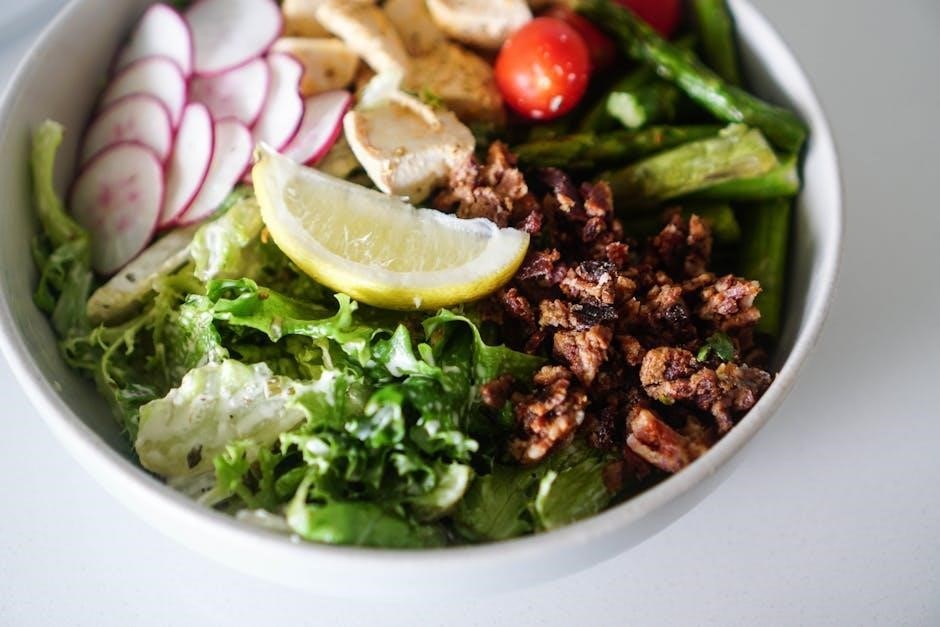
A 1900 calorie meal plan PDF typically features a substantial lunch to fuel the afternoon․ A balanced option is a large salad with 4oz of grilled chicken or fish (around 200 calories), 2 cups of mixed greens (20 calories), and 1/2 cup of quinoa (110 calories)․ Add 1 tablespoon of olive oil and vinegar dressing (120 calories) and some colorful vegetables like bell peppers and cucumbers․
Another choice could be a whole-wheat sandwich with lean turkey breast, lettuce, tomato, and a side of fruit․ PDF resources emphasize prioritizing lean protein and complex carbohydrates․ Portion control is key; a PDF guide will often detail appropriate serving sizes․
Afternoon Snack (Approx․ 150 Calories)
A 1900 calorie meal plan PDF often includes an afternoon snack to bridge the gap between lunch and dinner, preventing overeating later․ A great option is Greek yogurt (100 calories) topped with 1/4 cup of berries (50 calories)․ This provides protein and antioxidants․ Alternatively, consider a small apple (95 calories) with 1 tablespoon of almond butter (98 calories)․
PDF guides frequently suggest snacks that combine protein and fiber for sustained energy․ Avoid sugary treats; a PDF resource will highlight healthier alternatives․ Portion sizes are crucial – a PDF will clearly outline appropriate amounts to stay within the calorie target․
Dinner (Approx․ 500 Calories)
A 1900 calorie meal plan PDF typically features a dinner around 500 calories, focusing on lean protein and complex carbohydrates․ A good choice is 4oz of baked salmon (around 200 calories) with 1/2 cup of quinoa (110 calories) and 1 cup of steamed broccoli (55 calories)․ This provides healthy fats, protein, and fiber․
Many PDF guides suggest incorporating vegetables to increase fullness․ Another option is 4oz of grilled chicken breast (165 calories) with a medium baked sweet potato (103 calories) and a large salad (around 130 calories with light vinaigrette)․ A detailed PDF will offer various recipes and portion sizes for balanced dinners․
Evening Snack (Approx․ 300 Calories)
A 1900 calorie meal plan PDF often includes an evening snack to prevent late-night cravings and maintain stable blood sugar․ A popular option is Greek yogurt (150 calories) with 1/4 cup of berries (around 40 calories) and a tablespoon of almonds (100 calories)․ This provides protein, antioxidants, and healthy fats․
Some PDF guides suggest a small portion of cottage cheese with fruit․ Alternatively, consider a whole-wheat toast (75 calories) with avocado (150 calories) and a sprinkle of red pepper flakes․ Detailed PDF resources emphasize mindful snacking and portion control for optimal results, ensuring the snack fits within the daily calorie target․

Food Choices for a 1900 Calorie Diet
1900 calorie meal plan PDFs prioritize whole foods: lean proteins, complex carbs, and healthy fats, supporting balanced nutrition and sustained energy levels․
Lean Protein Sources
Lean protein is crucial within a 1900 calorie meal plan, promoting satiety and supporting muscle mass․ PDF guides often emphasize incorporating options like skinless chicken breast, turkey, and fish – salmon, tuna, and cod are excellent choices due to their omega-3 fatty acid content․
Plant-based proteins are also valuable; consider lentils, beans, and tofu․ Greek yogurt and eggs provide convenient protein boosts․ Portion control is key; a typical serving size is around 3-4 ounces․ Prioritizing lean protein helps maintain a feeling of fullness, reducing the likelihood of overeating and supporting weight management goals outlined in many downloadable 1900 calorie meal plan PDFs․
Complex Carbohydrates
Complex carbohydrates are foundational to a balanced 1900 calorie meal plan, providing sustained energy and essential fiber․ Many PDF resources recommend prioritizing whole grains like quinoa, brown rice, and oats over refined options․ Sweet potatoes and whole-wheat bread are also excellent choices, offering vital nutrients․
Focus on incorporating a variety of colorful vegetables and fruits, such as broccoli, spinach, berries, and apples․ These provide fiber, vitamins, and antioxidants․ Portion sizes are important; aim for moderate servings to stay within your calorie goals․ A 1900 calorie meal plan PDF will typically detail appropriate serving sizes for optimal health and weight management․
Healthy Fat Sources
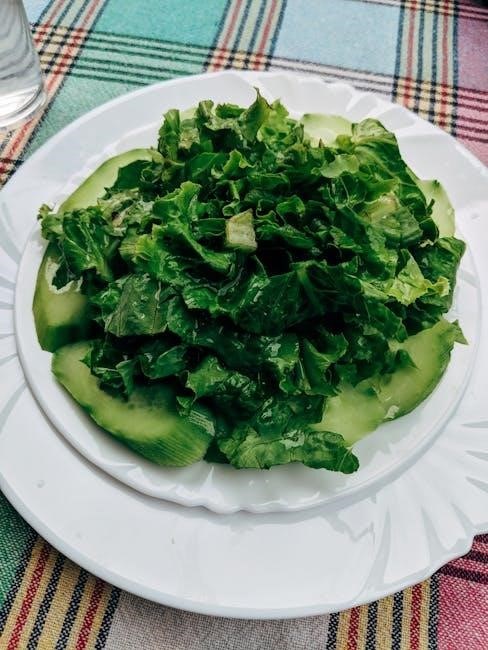
Incorporating healthy fats is crucial within a 1900 calorie meal plan, supporting hormone production and overall well-being․ Many PDF guides emphasize sources like avocados, nuts (almonds, walnuts), seeds (chia, flax), and olive oil․ These provide essential fatty acids beneficial for heart health․
Fatty fish, such as salmon and mackerel, are also excellent choices, rich in omega-3 fatty acids․ Remember moderation is key; while healthy, fats are calorie-dense․ A well-structured 1900 calorie meal plan PDF will outline appropriate portion sizes to ensure you stay within your daily calorie target․ Prioritize unsaturated fats over saturated and trans fats for optimal health benefits․
Hydration and a 1900 Calorie Plan
Adequate hydration is vital when following a 1900 calorie meal plan, often detailed in PDF guides, to support metabolism and overall health․
Importance of Water Intake
Water plays a crucial role in any dietary plan, especially a 1900 calorie meal plan often found as a convenient PDF resource․ It aids digestion, nutrient absorption, and helps maintain proper bodily functions․ Staying hydrated can also help control appetite, preventing overeating and supporting weight management goals․
Dehydration can often be mistaken for hunger, leading to unnecessary calorie consumption․ Furthermore, water is essential for optimal metabolic function, assisting in the breakdown of food for energy․ Many PDF meal plans emphasize water intake alongside dietary guidelines․ Prioritizing water throughout the day ensures you’re maximizing the benefits of your chosen calorie intake and supporting overall well-being․
Recommended Daily Water Consumption
For individuals following a 1900 calorie meal plan – often accessed as a downloadable PDF – a general recommendation is to consume at least eight 8-ounce glasses of water daily․ However, individual needs vary based on activity level, climate, and overall health․
A more personalized approach involves calculating water intake based on body weight; a common guideline is to drink half an ounce to one ounce of water per pound of body weight․ Many PDF guides suggest monitoring urine color as an indicator of hydration – pale yellow indicates adequate intake․ Remember to increase water consumption during exercise or in hot weather to maintain optimal hydration while adhering to your meal plan․
Tips for Sticking to Your Meal Plan
Utilize a 1900 calorie meal plan PDF for structured guidance․ Meal prepping and mindful craving management are key to long-term adherence and success․
Meal Prepping Strategies
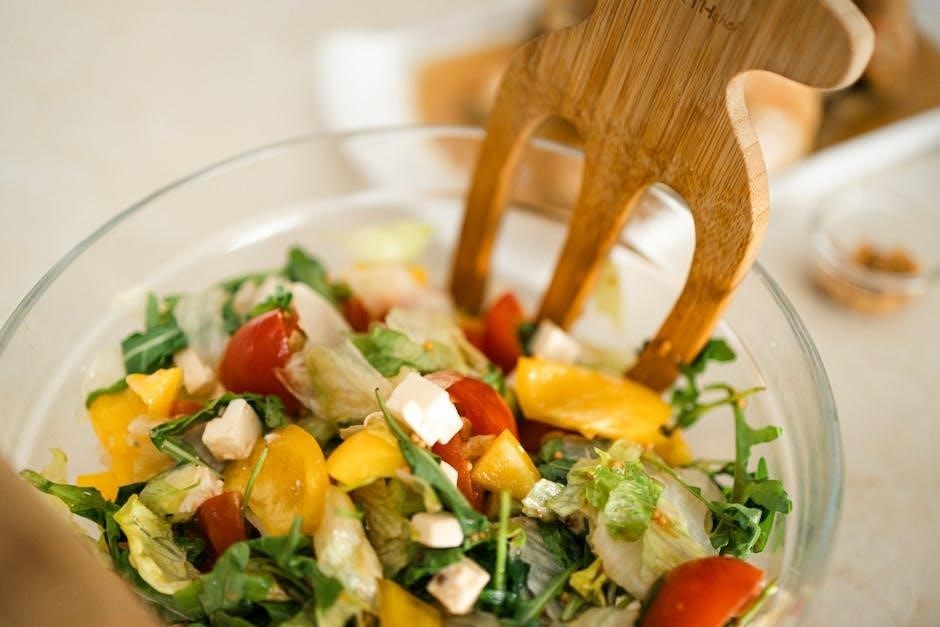
Leveraging a 1900 calorie meal plan PDF significantly simplifies meal prepping․ Begin by dedicating a few hours each week to prepare components like proteins and complex carbohydrates․ Batch cooking – roasting a large quantity of chicken or preparing a pot of quinoa – saves considerable time․
Divide meals into individual containers for easy grab-and-go access․ Focus on preparing breakfasts and lunches in advance, as these are often the most challenging meals to maintain within the calorie target during busy weekdays․ Don’t forget to pre-portion snacks! Utilizing reusable containers minimizes waste and keeps your plan organized․ A well-executed meal prep routine drastically increases adherence to your 1900 calorie goal․
Managing Cravings
A 1900 calorie meal plan PDF can be a powerful tool, but cravings are inevitable․ Identify your trigger foods and minimize their presence in your environment․ When a craving strikes, first drink a glass of water – often, thirst is mistaken for hunger․
Distraction techniques, like a short walk or engaging in a hobby, can also be effective․ Incorporate small, healthy treats into your plan to satisfy sweet or salty desires without derailing progress․ Remember, occasional indulgences are permissible, but portion control is key․ Focusing on the long-term benefits of your plan, as outlined in your PDF, will bolster willpower․